EN

Conversational AI engines like ChatGPT and Google’s AI Mode are becoming major entry points in consumers’ information-seeking and decision-making journeys. They no longer simply display links; they summarize, recommend, and directly mention brands.
The Trends AI Brand Index measures this new visibility: which brands are emerging in AI-generated responses, in what contexts, for which products, and with what relative intensity compared to their competitors. The goal is to provide a regular, structured, comparable, and reproducible indicator of brand presence in these new AI environments.
We have identified 16 relevant industry sectors in Belgium.
For each sector, we have mapped out the following using an AI model and Google search volumes :
We feed our mapping data into another AI model to generate an initial list of key questions (prompts), taking into account :
This process is repeated iteratively to generate a comprehensive and realistic list of 50 questions per industry sector, in French and Dutch.
Each question is analyzed using a relevance filter to ensure that at least one brand is likely to appear in the response. We therefore exclude from this index purely informational prompts that result in a response containing no commercial references.
A committee of SEO/GEO experts at Semactic reviews all the selected questions :
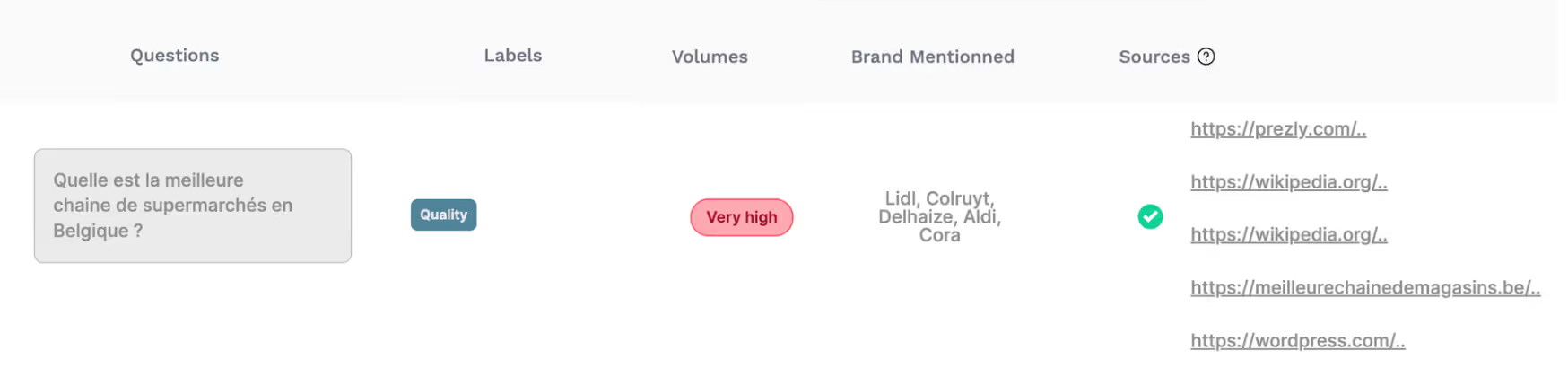
We ran the prompts in ChatGPT and Google’s AI Mode, simulating a neutral user behavior with no prior history using a residential IP address located in Belgium.
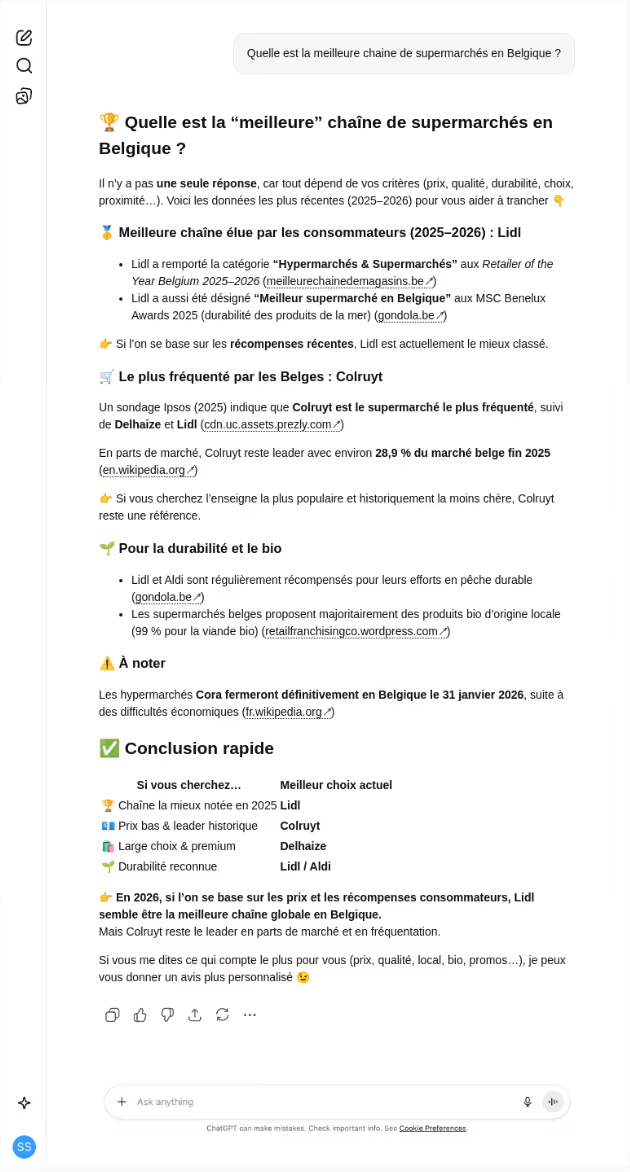
Based on the brand mentions and sources cited by ChatGPT, we identified :
This “share of voice” is a weighted average of various key criteria :
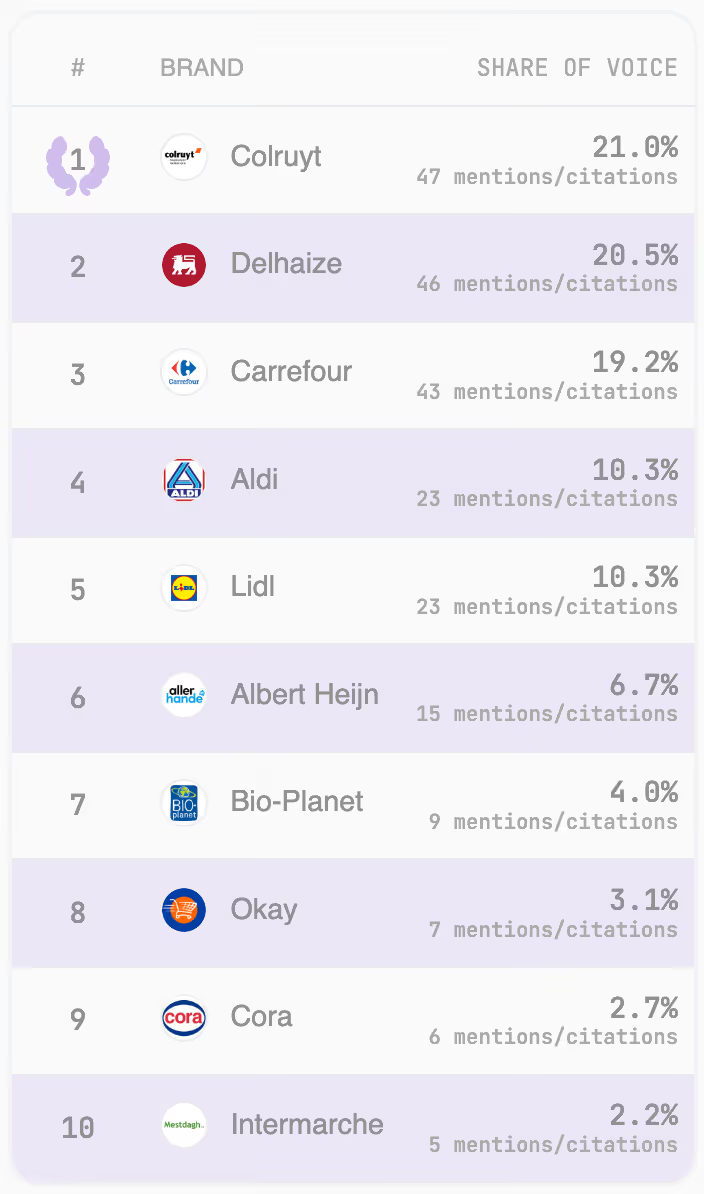
For each sector, we analyzed the main product/service categories as well as the top 8 customer benefits identified in the responses to visually illustrate each brand’s strengths and weaknesses (example for the food sector: freshness, wide selection, local offerings, low prices, loyalty programs, and attractive promotions).
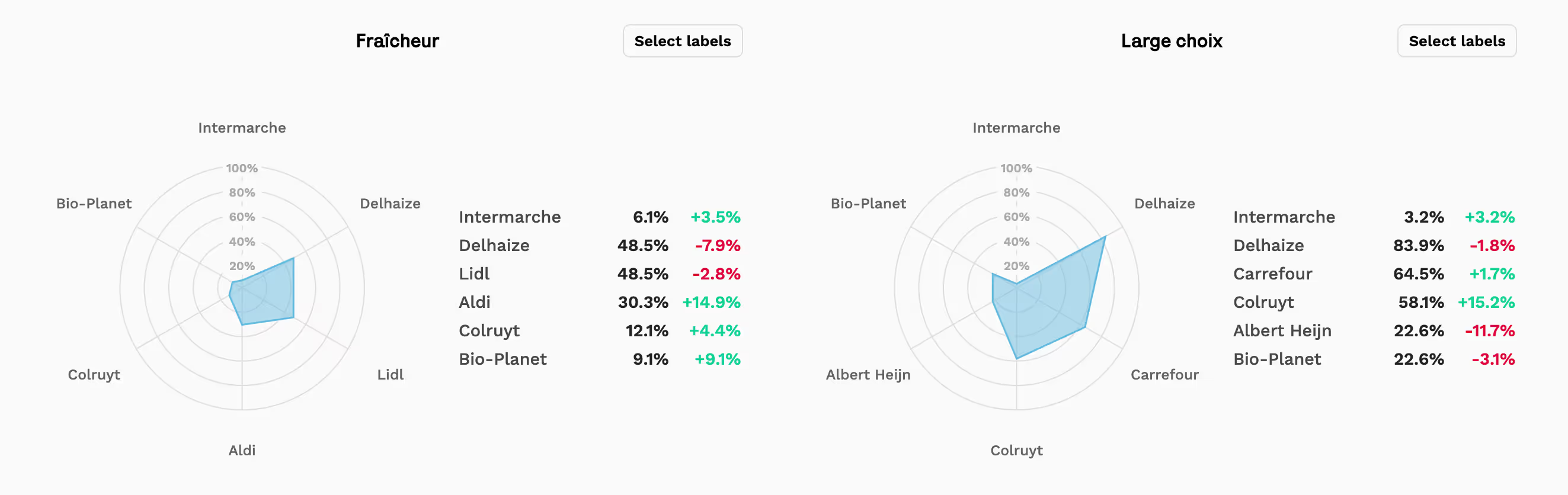
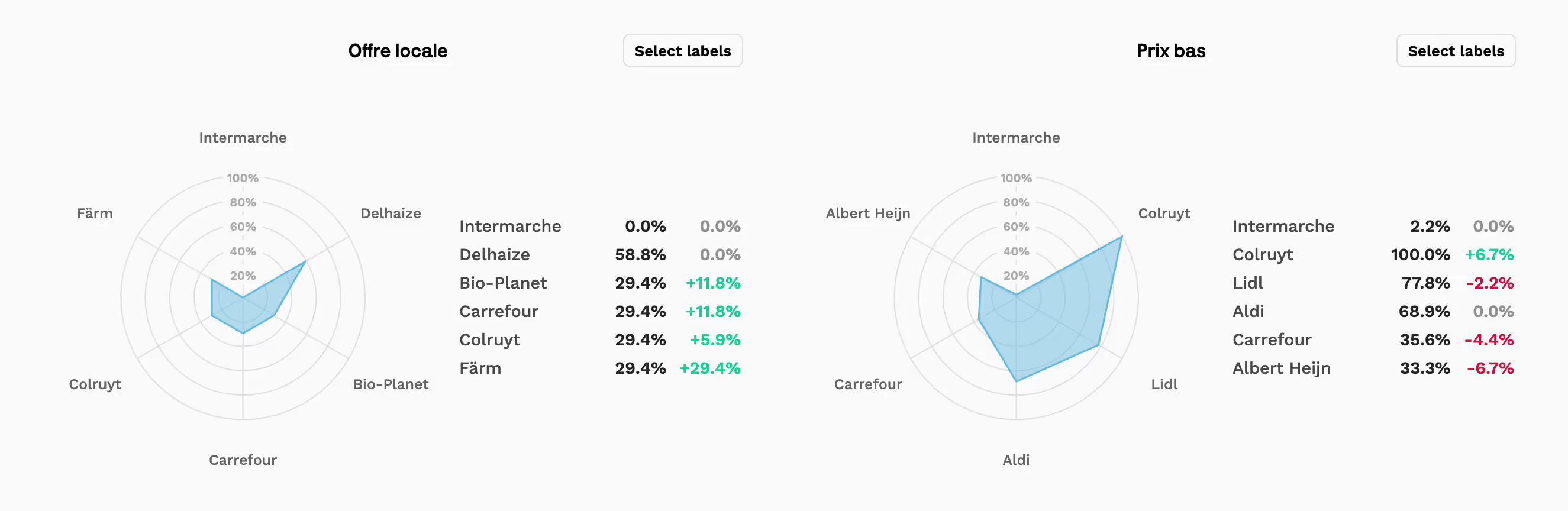
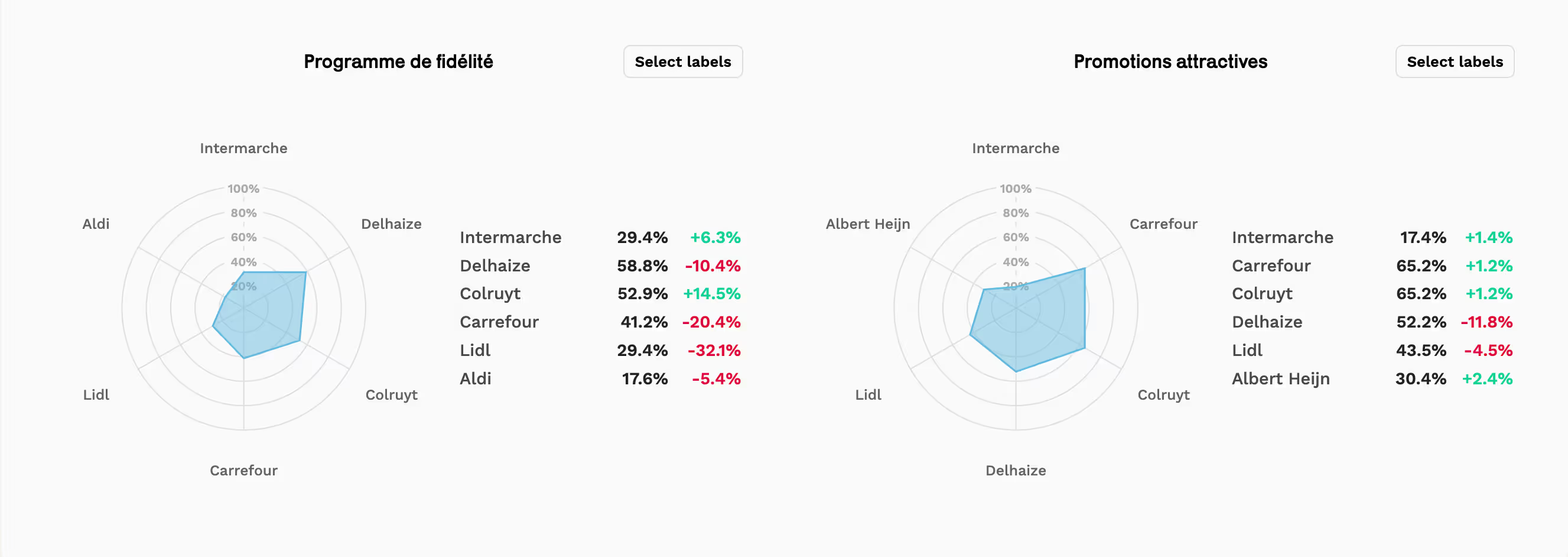
The results, comments, and analyses from this quarterly index are provided exclusively to Trends and presented on a microsite at the following URL :
trends-ai-brand-index.semactic.com
The prompts will be run on a quarterly basis to track changes over time and reflect developments in the most influential AI platforms, usage patterns, and search trends.
.avif)



.svg)