EN
Most content won't survive AI search.
Not because it's bad — but because it lacks trust signals.
While most marketers focus on keywords, AI assistants like ChatGPT, Gemini, and Perplexity are reshaping how content is found, quoted, and recommended.
That’s where EEAT comes in.
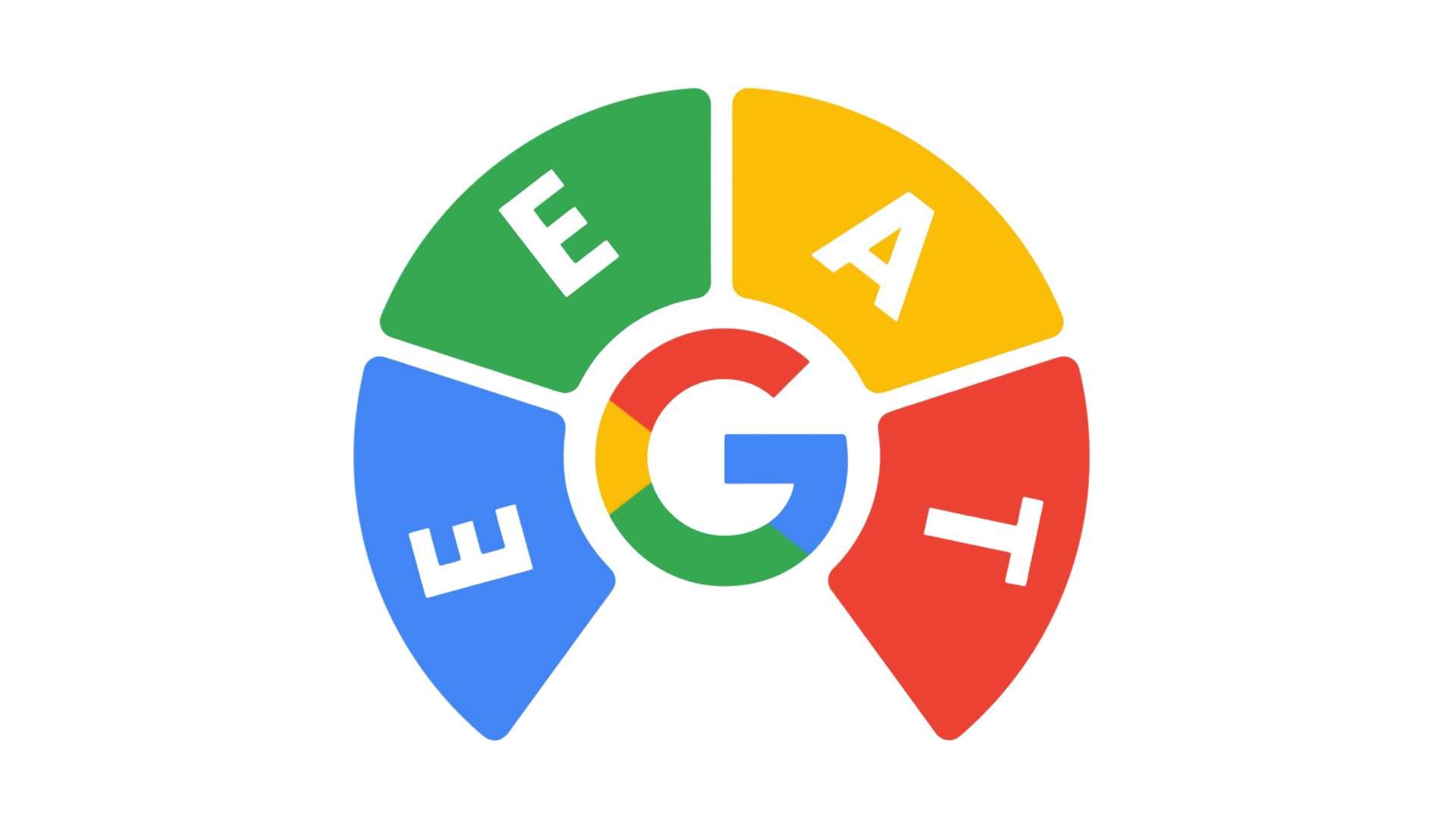
Experience, Expertise, Authoritativeness, Trustworthiness — this framework has quietly become one of the most powerful filters for content that ranks, gets cited in AI answers, and drives conversions.
In this article, we’ll break down:
Originally introduced in Google’s Quality Rater Guidelines, EEAT helps evaluate whether a piece of content is credible and useful — especially for topics that impact health, money, or major life decisions.
Let’s unpack each pillar:
Experience (E):
Expertise (E):
Authoritativeness (A):
Trustworthiness (T):
EEAT isn’t just a checklist. It’s how both Google and AI systems decide who to trust.
AI search doesn’t work like traditional SEO. It doesn’t rank pages. It retrieves chunks — self-contained pieces of content it can quote or summarize.
Here’s how things are shifting:
In traditional SEO:
In AI search (like ChatGPT or Gemini):
That’s why EEAT is now essential — not just for ranking, but for being selected.
If your content is vague, overly promotional, or outdated, it’s invisible to AI.
Here’s how to implement EEAT so your content can rank in search and be cited by AI tools:
❌ Bad:
"Schema helps SEO. It’s useful for visibility."
Why this fails:
✅ Good:
"We used schema markup to increase our AI citations by 48% in 3 months. It helped us appear in 6 new ChatGPT responses."
Why this works:
❌ Bad:
"Written by the Marketing Team."
Why this fails:
✅ Good:
"Author: Aleyda Solis, SEO Consultant — 'Author of the Year 2023' on Search Engine Journal."
Why this works:
Tip #1:
You can also leverage influence marketing to strengthen your authoritativeness externally — by earning mentions, backlinks, and third-party validation. Here’s how to align influence marketing with your SEO goals.
Tip#2:
Use author and organization schema to help AI and Google identify who's behind the content.
❌ Bad:
<h2>How we help our customers onboard and scale</h2>
Onboarding is just the start. We also help with adoption and upsell through templates and feature discovery.
Why this fails:
✅ Good:
<h2>What is customer onboarding?</h2>
Customer onboarding helps new users find value quickly. It includes welcome emails, tutorials, and checklists.
Why this works:
Rule of thumb:
If a paragraph doesn’t make sense on its own, it won’t make it into an AI response.
❌ Bad:
"robots.txt blocks Google from indexing your pages. It’s essential for SEO."
Why this fails:
✅ Good:
"According to Google Search Central (2025), robots.txt controls crawling, not indexing.” — Updated March 2025 by Aleyda Solis."
Why this works:
Remember:
Cited content gets reused. Unverified content gets ignored.
❌ Bad:
<h2>Remarketing explained</h2>
Remarketing helps you advertise again to past visitors. It’s common in B2B and B2C.
Why this fails:
Lacks relevance, no added value, not AI-ready.
✅ Good:
<h2>How remarketing works in B2B</h2>
Remarketing supports long sales cycles in B2B. LinkedIn Ads and Google Display are ideal platforms for targeting unconverted site visitors.
Why this works:
Each pillar of EEAT directly supports the content formats AI actually chooses.
Here’s how they align:
Bottom line:
EEAT is the strategy. The 9 rules are how you execute it.
Most SEO platforms stop at audits.
Semactic goes further by turning EEAT into real actions:
Because ranking without trust?
That’s just decoration.
Whether you're targeting Google, Gemini, or ChatGPT, the outcome is the same:
You don’t get seen unless you’re trusted.
EEAT helps you become the answer — not just a line in a report.
So don’t just publish content. Publish credibility.
.avif)



.svg)